
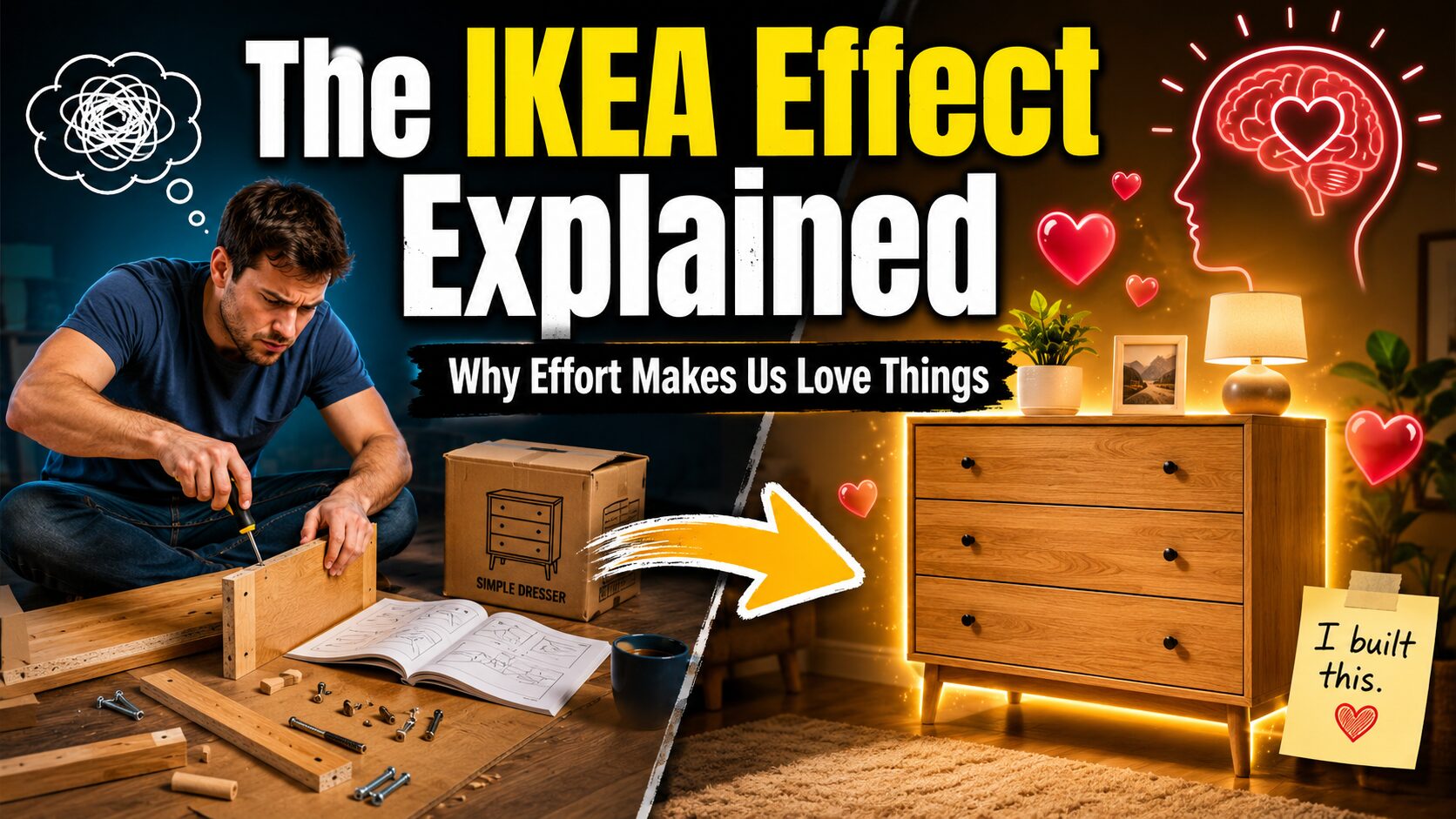
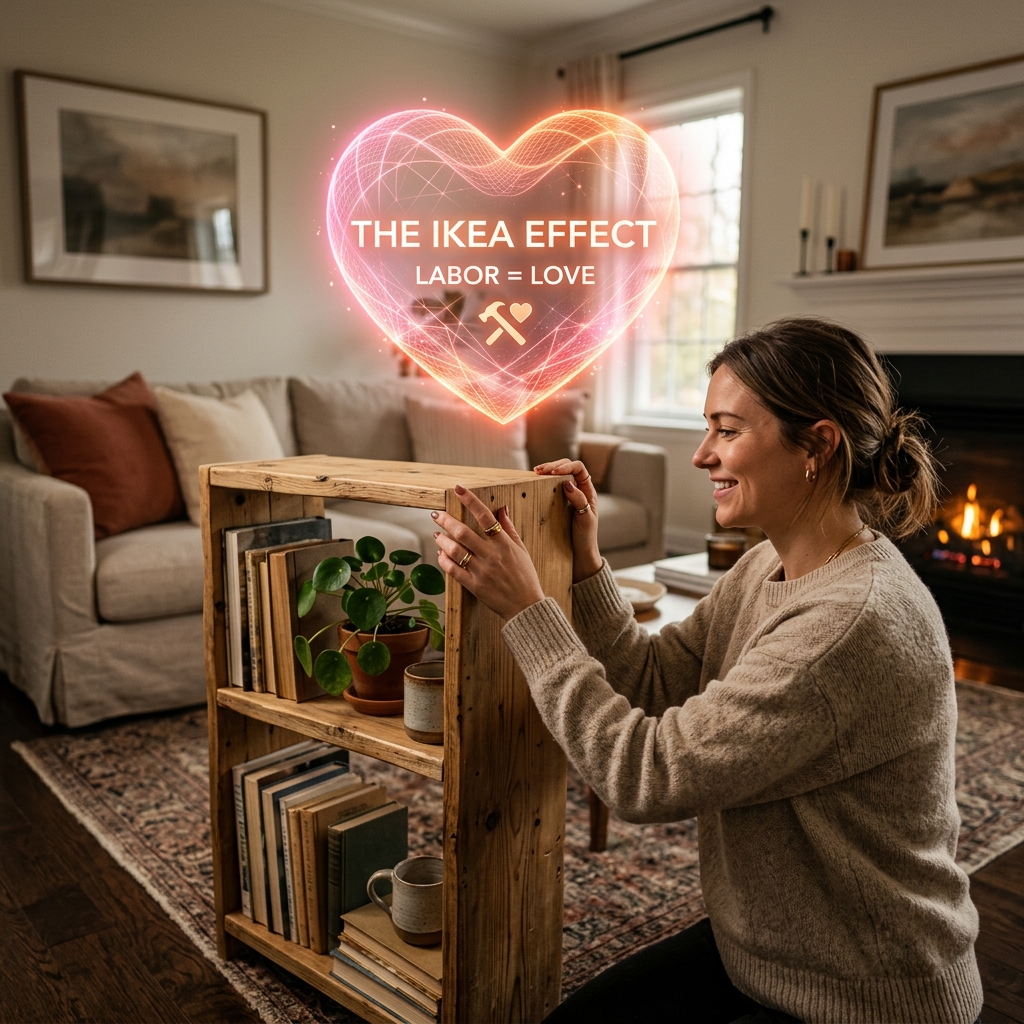
Somewhere in your home there is probably an object that is objectively worse than the alternative you could have bought, and you love it more anyway. A slightly crooked bookshelf you assembled with an Allen key and mild rage. A wonky birdhouse. A meal you cooked that took two hours and would have cost less to order. You defend these things. You point them out to guests. You would grab the wobbly shelf before the perfect one if the house were on fire, and some part of you knows that is irrational.
It is irrational, and it has a name: the IKEA effect. The labor you pour into something inflates how much you value it, often far past what the object is actually worth, and once you understand the mechanism you start seeing it running quietly underneath a huge amount of modern marketing. I am an Industrial and Organizational Psychologist, and this article covers the 2011 experiment that proved it with folded paper and Lego, the 1950s cake mix that stumbled onto it by accident, the brands deliberately building it into their products, and the honest limits of “make them work for it” as a strategy.
“We do not value things because they are good. We value them because they are ours, and nothing makes something feel more ours than the sweat we left inside it. Effort is the cheapest glue a brand can sell you, and you pay to apply it yourself.”
— Consumer Psychology Analysis, ShahzebSpeaks
🧪 The experiment that named it (2011)
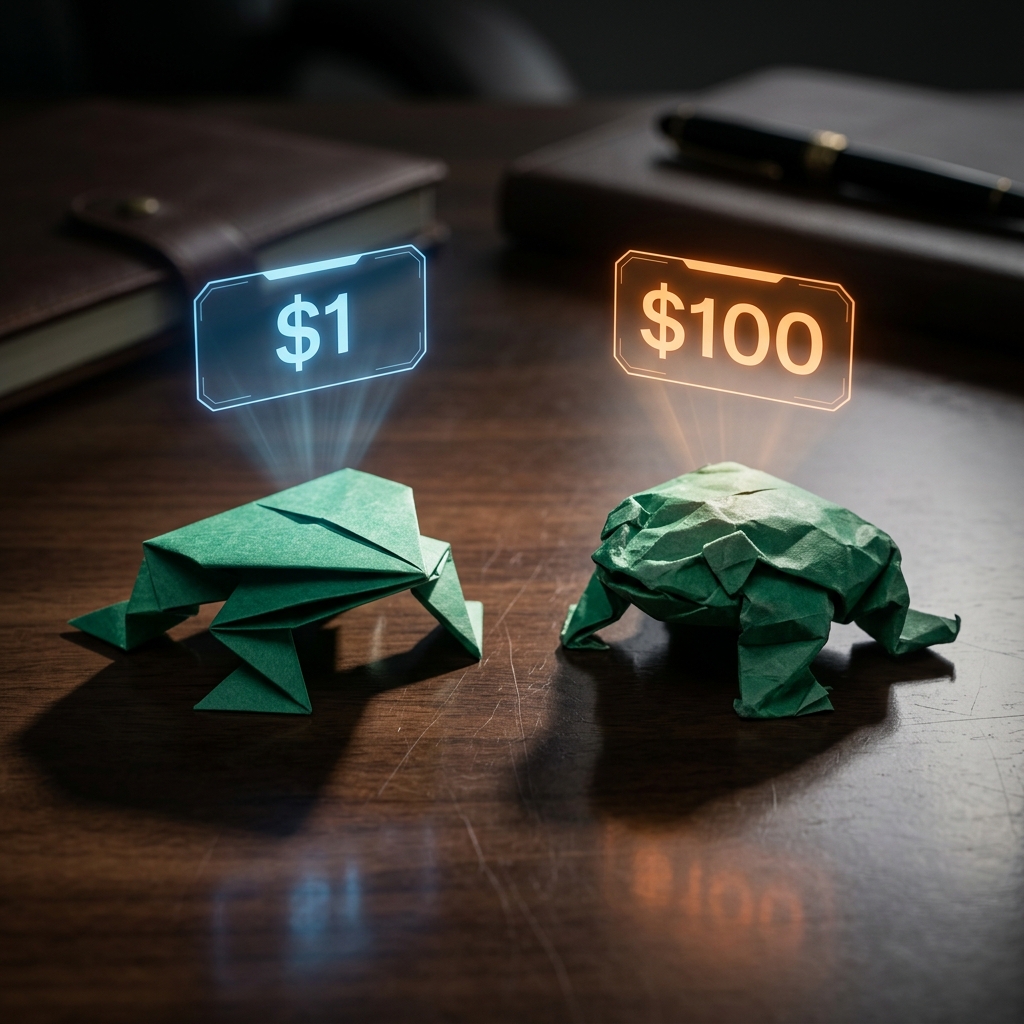
The term comes from a 2011 paper by Michael Norton, Daniel Mochon and Dan Ariely, titled, memorably, “The IKEA effect: When labor leads to love.” Across several studies they had participants build things: IKEA storage boxes, fold origami frogs and cranes, assemble Lego. Then they measured how much people valued their own creations versus identical items made by others, or versus pre-made versions.
The results were clean and a little absurd. People consistently valued their own amateur creations as highly as expert-made versions, and were willing to pay significantly more for them. In the origami study, builders valued their lumpy, badly folded frogs about as much as they valued frogs folded by experts, while neutral observers rated the amateur frogs as near-worthless. The builders were not seeing the same object everyone else saw. They were seeing their effort, and effort looks beautiful from the inside.
One detail matters enormously and is usually left out. The effect only appeared when people completed the task. When participants built something and then had to disassemble it, or did not finish, the inflated valuation vanished. Labor creates love only when the labor succeeds. That single condition explains why some “build it yourself” products delight customers and others just frustrate them, and I will come back to it.
🎂 The accidental discovery: the cake mix that needed an egg
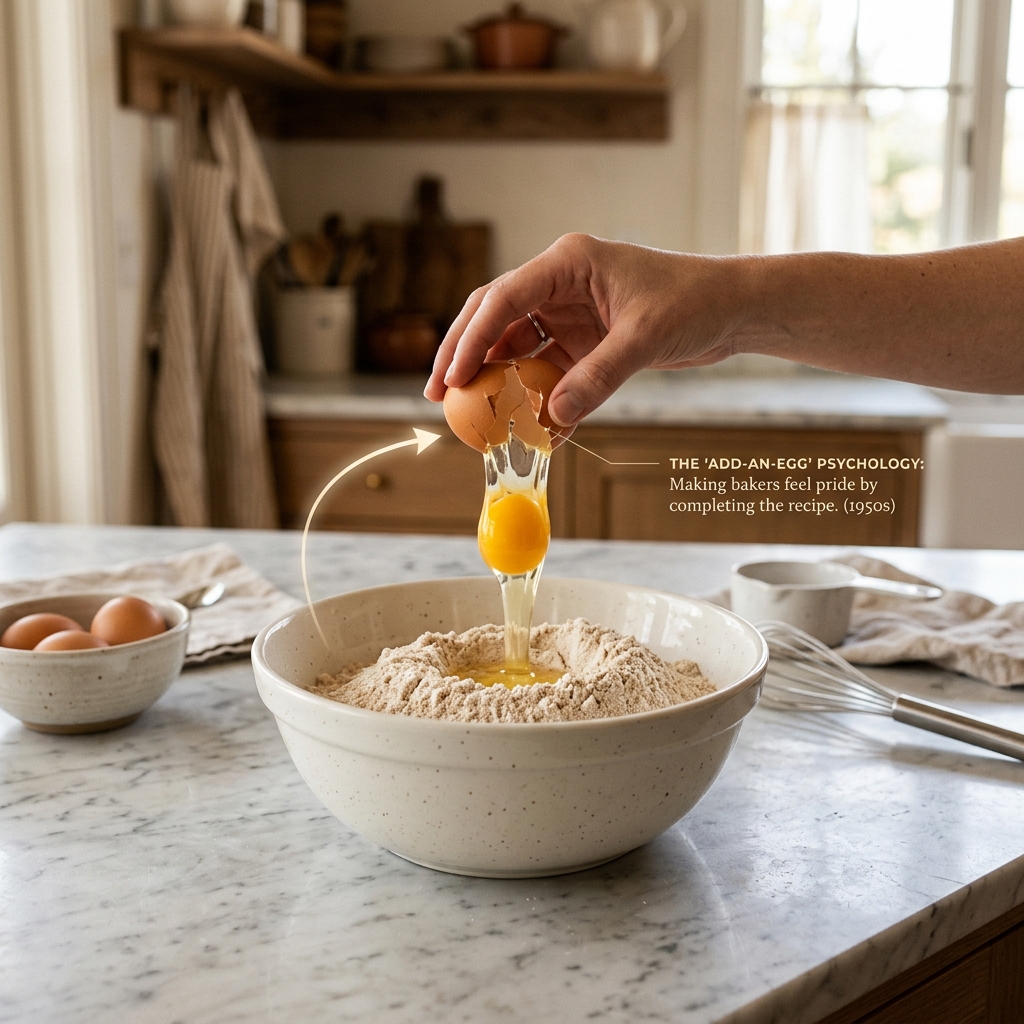
Decades before the experiment had a name, an industry discovered it by accident, and the story is too good to leave out. In the 1950s, instant cake mixes were struggling. They were a triumph of convenience: add water, stir, bake. Housewives, the target market of the era, were not buying them at expected rates, and nobody could work out why a product that saved so much effort was failing.
The explanation, associated with psychologist Ernest Dichter and the era’s motivation researchers, was that the mix made the process too easy. Serving a cake that required only water felt like cheating; it carried no pride, no sense of having genuinely baked for one’s family, even a little guilt. The famous fix was to remove the powdered egg from the formula and require the baker to add a real egg. That one small act of genuine participation restored the feeling of having made something, and sales improved.
Historians debate the precise details of this story, and I flag that honestly, but the underlying principle it illustrates is rock solid and was later confirmed by controlled research: a small dose of real effort converts a transaction into an accomplishment. “Just add an egg” became a marketing legend precisely because it is the IKEA effect in one sentence, sixty years before the experiment.
🛠️ Why it works: three mechanisms under the hood
The IKEA effect is not one thing; it is three well-established psychological forces stacking on top of each other, and knowing them separately helps you see exactly where a brand is pulling.
Effort justification. This comes from cognitive dissonance theory. When we invest effort into something, our mind faces an uncomfortable question: was that effort worth it? Concluding “no” creates dissonance, so the brain resolves it by inflating the value of the outcome. The harder you worked, the better the result must be, because otherwise you wasted your time, and nobody wants to believe that. Aronson and Mills demonstrated this back in 1959: people who went through a harder initiation valued the group they joined more, purely because they had suffered for it.
The endowment effect. Documented by Kahneman, Knetsch and Thaler, this is our tendency to value things more once we own them. Building something is ownership in its most intense form, because you did not just buy it, you authored it. The object carries your fingerprints, literally and psychologically, which makes parting with it feel like a loss, and loss aversion does the rest.
Competence and self-signaling. Completing a build satisfies a basic psychological need for competence, one of the pillars of self-determination theory. The finished object becomes physical proof that you are capable, and every time you look at it, it quietly tells you a flattering story about yourself. You are not defending a bookshelf. You are defending the version of you that built it.
🏪 The examples: brands that build the effect into the product
1. IKEA itself
The brand that named the effect runs it as its whole model. Flat-pack furniture that customers assemble is usually framed as a cost-saving on shipping and labor, and it is that. But it is also, whether by original design or happy accident, a machine for manufacturing attachment. The customer who spent a sweaty Saturday wrestling a MALM into existence does not own furniture; they own an achievement, and they rate it higher, forgive its flaws, and feel loyal to the brand that let them “make” it. IKEA turned the most annoying part of buying furniture into the reason you love it, which is a genuinely remarkable piece of accidental behavioral engineering.
2. Build-A-Bear Workshop
A teddy bear you buy off a shelf costs a few dollars and means little. A teddy bear you stuff, choose a heart for, name, dress and register at Build-A-Bear costs far more and is treated by the child as nearly alive. The company sells the exact same raw materials as any toy shop; what it actually sells is the ritual of creation. The child’s labor, choosing, stuffing, naming, is the product, and the bear is just where the labor is stored. Parents pay a premium for the attachment, and the attachment is real precisely because the child built it.
3. Meal kits (HelloFresh and the category)
Meal-kit companies could deliver finished meals; instead they deliver measured ingredients and a recipe card, requiring you to cook. This looks like a weakness (you still have to do work) and is actually the entire value proposition. You get the pride of “I cooked dinner” with the convenience of no planning or shopping, the modern “just add an egg.” The finished plate tastes better to you than the identical dish delivered ready-made, because you built it, and you post a photo of it, which you would never do for takeout.
4. Customization everywhere (Nike By You, custom PCs, config pages)
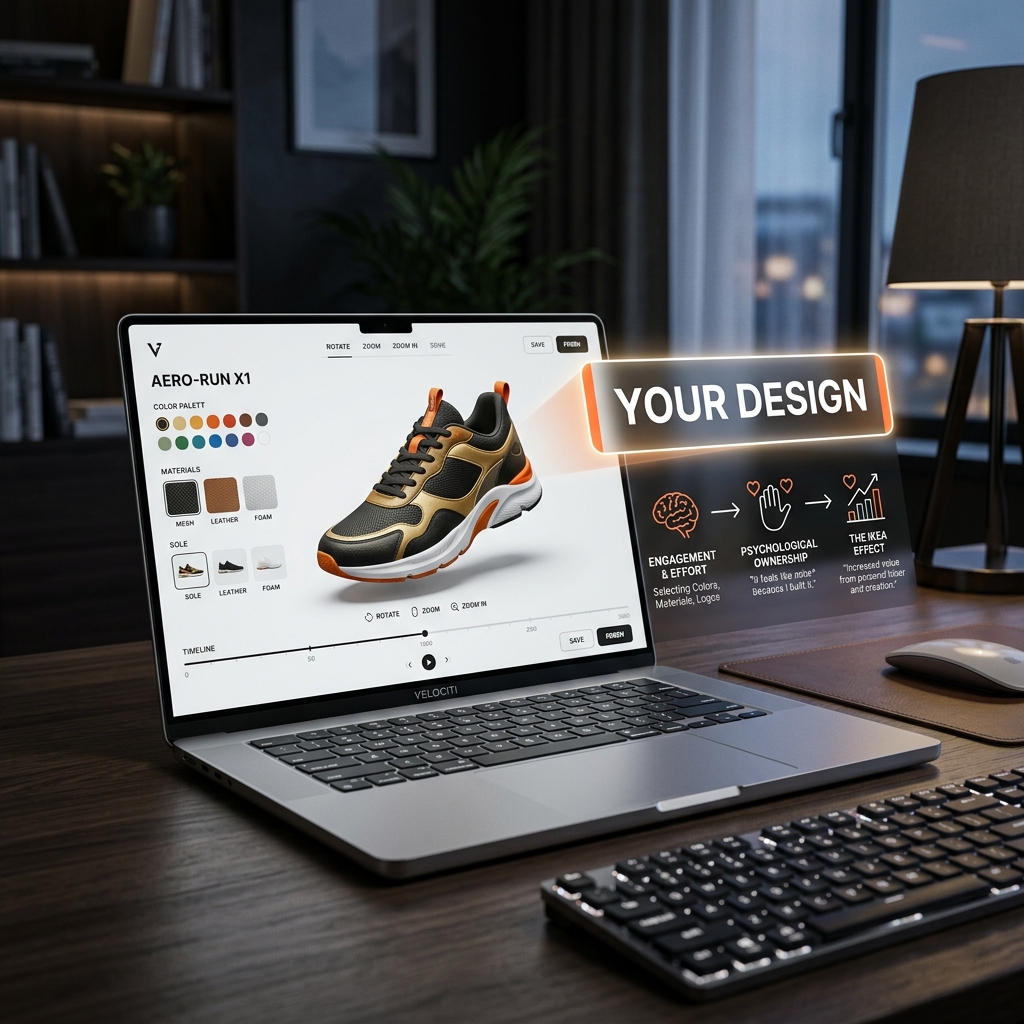
Every “build your own” configurator, sneakers, cars, laptops, burgers, is partly an IKEA-effect engine. The moment you spend fifteen minutes choosing the colorway, the trim, the specs, the product stops being a generic item and becomes your design. Effort invested in configuring creates ownership before you have even paid, which raises willingness to pay and reduces the chance you abandon the cart. The configuration is not a feature for you; it is a commitment device the brand built for itself, dressed as a feature for you.
5. Gardening, DIY and the “grow your own” premium
People will eat a lopsided tomato they grew with visible pride while complaining about a perfect one from the shop. Home gardening, home brewing, DIY renovation and hobby crafting all run on the effect: the produce or object is often objectively worse and always more expensive per unit than the store version, and it is valued far more because it carries labor. In Pakistan the rooftop kitchen garden trend and the pride around home-cooked degh for events run on the same psychology, the dish everyone praises hardest is the one someone made themselves rather than ordered.
6. Apps that make you set things up (Notion, budgeting tools, fitness apps)
The digital version is quietly everywhere. A budgeting app or a productivity tool that makes you spend an hour configuring categories, dashboards and templates has, in that hour, converted a subscriber into a builder. That setup labor is why people stay subscribed to tools they barely use: abandoning the app would mean abandoning the system they built, which feels like a loss. It is the IKEA effect fused with the switching-cost sludge I described in my subscription traps article, and together they are stickier than either alone.
⚠️ An honest caveat: when effort backfires
“Make customers work for it” is trendy advice and it is only half true, so here is the other half. The 2011 research is explicit that the effect requires successful completion. Effort that ends in failure, frustration or an unfinished mess produces the opposite of love. A flat-pack that will not go together, a configurator that is confusing, a meal kit whose recipe fails, these do not build attachment; they build resentment, and they attach it to your brand.
There is also a threshold problem. A little effort creates ownership; too much creates a chore, and past a point people would simply rather you did it for them and will pay you to. The IKEA effect lives in a narrow band: enough participation to feel like authorship, not so much that it feels like unpaid labor. Brands that misjudge this band, that offload real work onto customers and call it “engagement,” get correctly resented. The egg was small on purpose. Nobody wanted to grind the flour.
And a note on the ethics, since I advise brands on this. Using the effect to deepen a customer’s genuine sense of ownership over a good product is fair and lovely. Using it to trap people in mediocre products through sunk setup effort, the app you cannot leave because you built a system in it, edges toward the manipulative. The test, as always, is whether the effort you ask for serves the customer or only serves your retention numbers.
🛡️ How to use it on yourself (for good)
The IKEA effect is not only a trap; understood deliberately, it is a tool. Because effort creates attachment, you can point your own labor at things you want to value more. People who cook are more attached to healthy eating; people who assemble their own workout routine stick to it longer than those handed a plan; students who build their own notes remember more than those given summaries, partly through the effort itself. If you want to care about something, do part of the work of making it. The attachment is a feature you can install in yourself on purpose.
The defensive version matters too. When a brand asks you to invest effort, configuring, building, setting up, notice that the effort will raise your valuation whether or not the product deserves it. Ask the cold question before you sink the hours: would I want this if someone handed it to me finished? If the honest answer is no, the effect is about to sell you something your labor, not the product, made valuable.
❓ Frequently asked questions
What is the IKEA effect in simple terms?
The tendency to value things more highly when you have put your own labor into making them, often past what they are objectively worth. Named after the flat-pack furniture you assemble yourself and then love disproportionately.
Who discovered the IKEA effect?
It was named and experimentally demonstrated by Michael Norton, Daniel Mochon and Dan Ariely in a 2011 paper, “The IKEA effect: When labor leads to love,” using tasks like assembling boxes and folding origami.
What is the cake mix story about the IKEA effect?
In the 1950s, instant cake mixes sold poorly because they felt like cheating. Requiring bakers to add a real egg restored the sense of having genuinely baked, and sales improved. It is an early, real-world illustration of the same principle, though some historical details are debated.
Does the IKEA effect always work?
No. It only works when the effort ends in successful completion. Effort that ends in failure or frustration produces the opposite, resentment, and too much required effort turns ownership into a chore people would rather avoid.
How is the IKEA effect different from the endowment effect?
The endowment effect is valuing things more simply because you own them. The IKEA effect is a stronger version driven specifically by the labor of creating them, you value what you build even more than what you merely own, because building adds effort justification and a sense of competence on top of ownership.
🧠 Want customers who love what they build with you?
I’m Muhammad Shahzeb, an MSc Industrial and Organizational Psychologist and Full-Stack Developer. I design onboarding, customization and product experiences that use the IKEA effect honestly, enough participation to create real ownership, never so much that it becomes a chore your customers resent.
📚 References and further reading
- Norton, M. I., Mochon, D., & Ariely, D. (2012). “The IKEA effect: When labor leads to love.” Journal of Consumer Psychology, 22(3), 453-460. (Published online 2011.)
- Aronson, E., & Mills, J. (1959). “The effect of severity of initiation on liking for a group.” Journal of Abnormal and Social Psychology, 59(2), 177-181. (Effort justification.)
- Kahneman, D., Knetsch, J. L., & Thaler, R. H. (1990). “Experimental tests of the endowment effect and the Coase theorem.” Journal of Political Economy, 98(6), 1325-1348.
- Festinger, L. (1957). A Theory of Cognitive Dissonance. Stanford University Press.
- Deci, E. L., & Ryan, R. M. (1985). Intrinsic Motivation and Self-Determination in Human Behavior. Plenum. (Competence need.)
- Ariely, D. (2010). The Upside of Irrationality. Harper. (Popular treatment of the IKEA effect.)
- Shapiro, L. (2004). Something from the Oven: Reinventing Dinner in 1950s America. Viking. (Cake mix history and the “add an egg” account.)
- Thaler, R. H. (1980). “Toward a positive theory of consumer choice.” Journal of Economic Behavior & Organization, 1(1), 39-60.
Written by Muhammad Shahzeb, MSc Industrial & Organizational Psychology | Consumer Psychology Specialist | Full-Stack Web Developer
Learn more about my approach →